Buy businessleadership.eu ?
We are moving the project
businessleadership.eu .
Are you interested in purchasing the domain
businessleadership.eu ?
domain@kv-gmbh.de · 0541-91531010
Buy businessleadership.eu ?
Is linguistic design the same as linguistic devices?
No, linguistic design and linguistic devices are not the same. Linguistic design refers to the overall structure and organization of language, including factors such as syntax, semantics, and discourse patterns. On the other hand, linguistic devices are specific techniques or tools used within language to achieve certain effects, such as metaphors, similes, or alliteration. While linguistic devices are a part of linguistic design, they are just one component of the broader concept. **
What are non-linguistic signs and linguistic signs?
Non-linguistic signs are symbols or signals that convey meaning without the use of language, such as traffic lights, facial expressions, or body language. These signs rely on visual cues or gestures to communicate information. On the other hand, linguistic signs are symbols that represent specific meanings within a particular language system, such as words, letters, or numbers. Linguistic signs rely on the conventions and rules of language to convey meaning. **

Similar search terms for Linguistic
Top-Angebote
Products related to Linguistic:
-
Penguin Emotional Agility by Susan David - Paperback - Bestselling Psychology & Self-Help Book for Resilience and Personal GrowthDiscover the science-backed approach to mastering your inner life with Emotional Agility by Susan David. This Wall Street Journal bestselling guide offers practical strategies for unhooking from unhelpful thoughts and emotions, helping you build greater resilience and clarity in your personal and professional life. Written by a Harvard Medical School psychologist, the book distills twenty years of research into actionable advice for navigating career transitions, relationship challenges, and the pressures of modern life. Susan David explores the internal chatter we all experience, revealing that thoughts like 'I'm not good enough' are not fixed truths, but patterns that can be reshaped. With its clear and accessible framework, Emotional Agility is a valuable resource for anyone looking to develop greater emotional agility and live a more fulfilling life.14,99 £*Shipping: 2,99 £Secure redirect to the provider
-
Sesderma Reti Age 5 Liposomal Serum Anti-Aging Innovation 30mLA facial serum for wrinkles and signs of ageing. Reduces wrinkles and fine lines. Hydrates and strengthens barrier. Restores youthful radiance. 5-Retinoid System: smooths wrinkles, accelerates renewal, and boosts collagen. Biomimetic Peptides: fill expression lines by stimulating collagen synthesis.53,26 £*Shipping: 5,22 £Secure redirect to the provider
-
Rethink Press Meltdown: How to Turn Your Hardship into Happiness by Jamie Alderton - Paperback Self-Help Book on Resilience, Mindset & Business GrowthMeltdown: How to Turn Your Hardship into Happiness is a practical self-help guide by fitness entrepreneur and transformation coach Jamie Alderton. Written for anyone whose life, work or wellbeing feels like it's falling apart, this book shows readers how to measure what's broken in their body, brain and business, then apply proven strategies to rebuild momentum, confidence and lasting happiness. Ever feel like your life is having a complete meltdown? This is the honest question at the heart of Jamie Alderton's guide. Rather than offering vague motivational platitudes, Meltdown gives readers a structured, repeatable framework for turning hardship into genuine progress. Alderton breaks life down into three core areas — body, brain and business — and teaches readers how to identify exactly what's gone off track in each. Published by Rethink Press, this paperback book is a brand-new self-help guide for those seeking to rebuild and find happiness.3,49 £*Shipping: 2,99 £Secure redirect to the provider


-
What influence does German language instruction have on linguistic competence?
German language instruction can have a significant influence on linguistic competence by improving vocabulary, grammar, and pronunciation skills. Through instruction, learners can develop a better understanding of sentence structure and word order, as well as gain exposure to different tenses and verb conjugations. Additionally, learning German can enhance overall language learning abilities and increase cultural awareness. Overall, German language instruction can greatly contribute to the development of linguistic competence in individuals. **
-
What are good examples of linguistic and non-linguistic images?
Good examples of linguistic images include descriptive language that paints a vivid picture in the reader's mind, such as "the sun hung low in the sky, casting a warm golden glow over the fields." Non-linguistic images can include photographs, paintings, or other visual art that convey a specific mood or message without the use of words. For example, a photograph of a stormy sea with dark, churning waves can evoke a sense of danger and power without any accompanying text. Both linguistic and non-linguistic images can be powerful tools for communication and expression. **
-
What are linguistic peculiarities?
Linguistic peculiarities refer to unique or unusual features found in a language that set it apart from others. These can include specific grammar rules, pronunciation patterns, vocabulary choices, or cultural influences that shape the way a language is spoken or written. Linguistic peculiarities can vary widely from one language to another, making each language distinct and interesting in its own way. **
-
What are linguistic aspects?
Linguistic aspects refer to the different components of language that are studied in linguistics. These aspects include phonetics (the study of speech sounds), phonology (the study of sound patterns), morphology (the study of word structure), syntax (the study of sentence structure), semantics (the study of meaning), and pragmatics (the study of language use in context). Understanding these linguistic aspects helps us analyze and interpret language in a systematic way. **


What is linguistic redundancy?
Linguistic redundancy refers to the use of unnecessary or repetitive words, phrases, or information in communication. It can often be seen as a form of over-explaining or providing more information than is needed to convey a message. While some level of redundancy can help clarify communication and ensure understanding, excessive redundancy can lead to inefficiency and confusion in language. Overall, linguistic redundancy can be both a helpful tool for emphasizing key points and a hindrance to clear and concise communication. **
What are linguistic images?
Linguistic images are vivid descriptions or representations created through language that appeal to the senses and evoke mental images in the mind of the reader or listener. They use words to paint a picture or convey a sensory experience, making the text more engaging and memorable. By using descriptive language and sensory details, linguistic images help to bring a scene or concept to life for the audience. **
Top-Angebote
Products related to Linguistic:
-
Zaffre Guilty by Definition: The instant Sunday Times bestselling linguistic mystery from Britain's wordsmith, Susie Dent (Clarendon Lexicographers)A coded letter. A missing woman. A truth waiting to be found. When an anonymous letter is delivered to the Clarendon English Dictionary office, it becomes rapidly clear that this is not the usual word-related enquiry. Instead, the letter hints at sinister events linked to a particular year. For editor Martha Thornhill, the date can mean only one thing: the summer her brilliant older sister Charlie went missing. Ten years on, Martha and her family are no closer to unravelling the mystery of Charlie's disappearance - until now. As more letters arrive, Martha and her team follow the linguistic clues to a troubling truth. It seems Charlie was keeping a powerful secret, and that someone is desperate to keep it well and truly buried. Guilty by Definition is a love letter not only to language but to the city of Oxford, wrapped within an intriguing mystery of a missing woman and considering the emotional aftershocks of her disappearance on those left behind.5,99 £*Shipping: 2,99 £Secure redirect to the provider
-
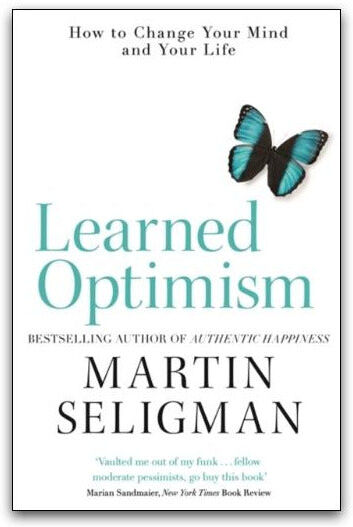
Nicholas Brealey Publishing Learned Optimism by Martin E. P. Seligman Positive Psychology, Resilience & Personal GrowthDiscover the life-changing power of positive thinking with Learned Optimism by renowned psychologist and positive psychology pioneer Martin E. P. Seligman. In this influential book, Seligman explains how optimism is not simply an inborn trait—it can be learned. Drawing on decades of psychological research, he introduces practical techniques to help readers recognize negative thought patterns, develop a more constructive outlook, and build resilience in the face of life's challenges. Whether you're looking to improve your mental wellbeing, boost confidence, manage setbacks, or achieve personal and professional success, Learned Optimism provides evidence-based strategies that can help you cultivate a healthier, more positive mindset. Why Readers Love This Book: Written by the founder of positive psychology Research-based techniques for building optimism and resilience Practical exercises to overcome negative thinking Helps improve confidence, wellbeing, and emotional strength Ideal for readers interested in psychology, self-improvement, and mental wellness A modern classic in psychology, Learned Optimism offers practical tools to help you develop a more resilient mindset and lead a happier, more fulfilling life.5,99 £*Shipping: 2,99 £Secure redirect to the provider
-
Penguin Emotional Agility by Susan David - Paperback - Bestselling Psychology & Self-Help Book for Resilience and Personal GrowthDiscover the science-backed approach to mastering your inner life with Emotional Agility by Susan David. This Wall Street Journal bestselling guide offers practical strategies for unhooking from unhelpful thoughts and emotions, helping you build greater resilience and clarity in your personal and professional life. Written by a Harvard Medical School psychologist, the book distills twenty years of research into actionable advice for navigating career transitions, relationship challenges, and the pressures of modern life. Susan David explores the internal chatter we all experience, revealing that thoughts like 'I'm not good enough' are not fixed truths, but patterns that can be reshaped. With its clear and accessible framework, Emotional Agility is a valuable resource for anyone looking to develop greater emotional agility and live a more fulfilling life.14,99 £*Shipping: 2,99 £Secure redirect to the provider
-
Sesderma Reti Age 5 Liposomal Serum Anti-Aging Innovation 30mLA facial serum for wrinkles and signs of ageing. Reduces wrinkles and fine lines. Hydrates and strengthens barrier. Restores youthful radiance. 5-Retinoid System: smooths wrinkles, accelerates renewal, and boosts collagen. Biomimetic Peptides: fill expression lines by stimulating collagen synthesis.53,26 £*Shipping: 5,22 £Secure redirect to the provider
-
Is linguistic design the same as linguistic devices?
No, linguistic design and linguistic devices are not the same. Linguistic design refers to the overall structure and organization of language, including factors such as syntax, semantics, and discourse patterns. On the other hand, linguistic devices are specific techniques or tools used within language to achieve certain effects, such as metaphors, similes, or alliteration. While linguistic devices are a part of linguistic design, they are just one component of the broader concept. **
-
What are non-linguistic signs and linguistic signs?
Non-linguistic signs are symbols or signals that convey meaning without the use of language, such as traffic lights, facial expressions, or body language. These signs rely on visual cues or gestures to communicate information. On the other hand, linguistic signs are symbols that represent specific meanings within a particular language system, such as words, letters, or numbers. Linguistic signs rely on the conventions and rules of language to convey meaning. **
-
What influence does German language instruction have on linguistic competence?
German language instruction can have a significant influence on linguistic competence by improving vocabulary, grammar, and pronunciation skills. Through instruction, learners can develop a better understanding of sentence structure and word order, as well as gain exposure to different tenses and verb conjugations. Additionally, learning German can enhance overall language learning abilities and increase cultural awareness. Overall, German language instruction can greatly contribute to the development of linguistic competence in individuals. **
-
What are good examples of linguistic and non-linguistic images?
Good examples of linguistic images include descriptive language that paints a vivid picture in the reader's mind, such as "the sun hung low in the sky, casting a warm golden glow over the fields." Non-linguistic images can include photographs, paintings, or other visual art that convey a specific mood or message without the use of words. For example, a photograph of a stormy sea with dark, churning waves can evoke a sense of danger and power without any accompanying text. Both linguistic and non-linguistic images can be powerful tools for communication and expression. **
Similar search terms for Linguistic
-
Rethink Press Meltdown: How to Turn Your Hardship into Happiness by Jamie Alderton - Paperback Self-Help Book on Resilience, Mindset & Business GrowthMeltdown: How to Turn Your Hardship into Happiness is a practical self-help guide by fitness entrepreneur and transformation coach Jamie Alderton. Written for anyone whose life, work or wellbeing feels like it's falling apart, this book shows readers how to measure what's broken in their body, brain and business, then apply proven strategies to rebuild momentum, confidence and lasting happiness. Ever feel like your life is having a complete meltdown? This is the honest question at the heart of Jamie Alderton's guide. Rather than offering vague motivational platitudes, Meltdown gives readers a structured, repeatable framework for turning hardship into genuine progress. Alderton breaks life down into three core areas — body, brain and business — and teaches readers how to identify exactly what's gone off track in each. Published by Rethink Press, this paperback book is a brand-new self-help guide for those seeking to rebuild and find happiness.3,49 £*Shipping: 2,99 £Secure redirect to the provider
-
EmperorS4 Hanamikoji Compact Strategy Card Game for Two Players - Strategy GameA compact strategy card game set in Kyoto's Hanamikoji Street. Players compete to earn geisha favor by managing hand and making timed decisions. Designed for two players, suitable for ages 10 and up.13,79 £*Shipping: 3,95 £Secure redirect to the provider
-
Pearson Key Strategy Tools by Vaughan Evans - 88 Tools for Every Manager to Build a Winning Strategy - Paperback - Business Strategy BookKey Strategy Tools by Vaughan Evans is a comprehensive guide for managers who want to build a winning strategy. Written by strategy consultant Vaughan Evans, this book distils decades of consulting experience into 88 practical tools covering every stage of the strategy process. From market analysis to competitive positioning and implementation, it equips managers, entrepreneurs, and MBA students with a framework for transforming their business into a scalable and valuable asset. The book presents a complete toolkit for strategy development, helping readers to understand why some companies succeed while others struggle, and providing actionable advice on how to achieve success. Published by Pearson, this paperback is a valuable resource for anyone looking to improve their business strategy.2,99 £*Shipping: 2,99 £Secure redirect to the provider
-
What are linguistic peculiarities?
Linguistic peculiarities refer to unique or unusual features found in a language that set it apart from others. These can include specific grammar rules, pronunciation patterns, vocabulary choices, or cultural influences that shape the way a language is spoken or written. Linguistic peculiarities can vary widely from one language to another, making each language distinct and interesting in its own way. **
-
What are linguistic aspects?
Linguistic aspects refer to the different components of language that are studied in linguistics. These aspects include phonetics (the study of speech sounds), phonology (the study of sound patterns), morphology (the study of word structure), syntax (the study of sentence structure), semantics (the study of meaning), and pragmatics (the study of language use in context). Understanding these linguistic aspects helps us analyze and interpret language in a systematic way. **
-
What is linguistic redundancy?
Linguistic redundancy refers to the use of unnecessary or repetitive words, phrases, or information in communication. It can often be seen as a form of over-explaining or providing more information than is needed to convey a message. While some level of redundancy can help clarify communication and ensure understanding, excessive redundancy can lead to inefficiency and confusion in language. Overall, linguistic redundancy can be both a helpful tool for emphasizing key points and a hindrance to clear and concise communication. **
-
What are linguistic images?
Linguistic images are vivid descriptions or representations created through language that appeal to the senses and evoke mental images in the mind of the reader or listener. They use words to paint a picture or convey a sensory experience, making the text more engaging and memorable. By using descriptive language and sensory details, linguistic images help to bring a scene or concept to life for the audience. **
* All prices are inclusive of VAT and, if applicable, plus shipping costs. The offer information is based on the details provided by the respective shop and is updated through automated processes. Real-time updates do not occur, so deviations can occur in individual cases. ** Note: Parts of this content were created by AI.